
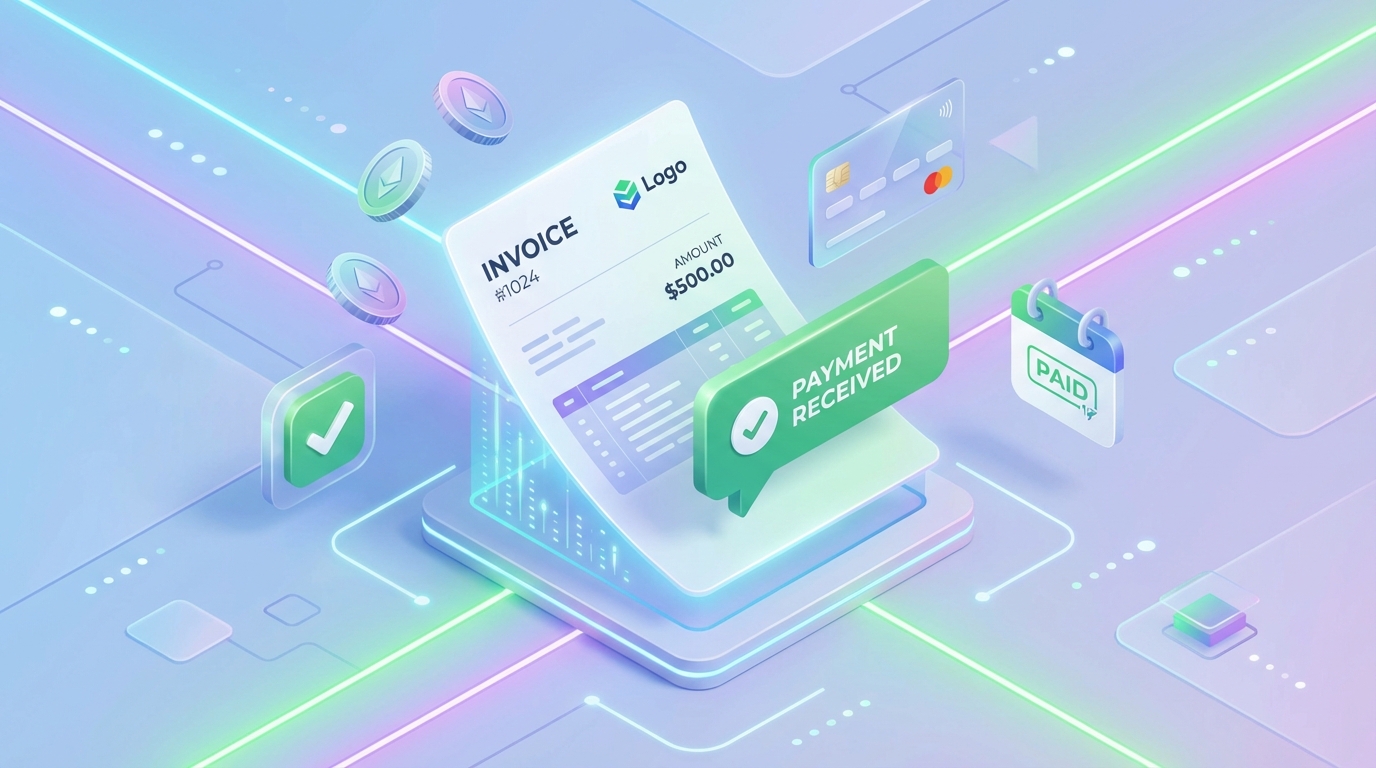
If your business relies heavily on timely payments, you already know the frustration of ignored emails and overdue accounts. Traditional email invoicing is broken. With average email open rates hovering around 20%, it is no surprise that clients frequently miss their billing notifications. This leads to awkward follow-ups, delayed cash flow, and wasted administrative hours. But there is a better way. By choosing to send invoices via WhatsApp API, businesses are completely transforming their accounts receivable processes. WhatsApp boasts an astonishing 98% open rate, meaning your invoices are seen almost instantly. In this comprehensive guide, we will explore exactly how to automate your billing workflow, integrate your accounting software, and leverage WhatsApp to get paid up to three times faster.
The Hidden Cost of Traditional Email Billing
Before diving into the technical solutions, it is crucial to understand why email is failing modern finance teams. Every day, business owners and consumers are bombarded with hundreds of promotional emails, newsletters, and spam. Your critical invoice is competing for attention in a highly cluttered environment. Even if your email bypasses the spam folder, it often sits unread for days.
This delay creates a domino effect. Late payments restrict your operational cash flow, preventing you from reinvesting in your business, paying vendors on time, or scaling your marketing efforts. Furthermore, your support team is forced to waste valuable time sending manual reminders or making uncomfortable phone calls to track down payments.
By shifting this communication to a platform where your customers are already active, you eliminate the friction. WhatsApp is inherently conversational, immediate, and mobile-first. When a customer receives a PDF invoice directly on their phone alongside a one-click payment link, the barrier to completing the transaction drops to near zero.
Why You Should Send Invoices via WhatsApp API
Integrating your billing system with WhatsApp is not just about sending a message; it is about creating a frictionless financial experience. Here are the core benefits of automating your invoices through WhatsApp.
1. Unmatched Open and Read Rates
As mentioned, WhatsApp messages are opened 98% of the time, usually within the first three minutes of delivery. When you send invoices via WhatsApp API, you receive instant peace of mind knowing the document actually reached the client's eyes. You can even track read receipts to know exactly when they viewed the bill.
2. Accelerated Payment Cycles
Because the notification is immediate and accessible on a mobile device, clients are far more likely to pay on the spot. By including a direct payment link (such as Stripe, PayPal, or Razorpay) right below the invoice document, you capitalize on the moment of engagement. Businesses that switch to WhatsApp invoicing report reducing their average days sales outstanding (DSO) by over 60%.
3. Automated Follow-Ups and Reminders
Chasing payments manually is soul-crushing work. With an API integration, you can set up automated logic. If an invoice is not paid three days before the due date, the system can automatically trigger a polite WhatsApp reminder. If it becomes overdue, a more urgent message can be dispatched without any human intervention.
4. Improved Customer Experience
Modern consumers and B2B clients appreciate convenience. Allowing them to receive, review, and pay their bills within their favorite messaging app feels premium and personalized. It also opens up a two-way communication channel. If they have a question about a line item on the invoice, they can simply reply to the message, allowing your support team to resolve the dispute instantly.
The Technical Architecture: How the Automation Works
Building an automated WhatsApp invoicing system requires connecting your existing software stack. While the exact setup varies depending on your tools, the fundamental architecture remains the same. Here is how the data flows from your accounting software to your customer's phone.
Step 1: Invoice Generation and PDF Creation
The process begins in your accounting or ERP software, such as QuickBooks, Xero, Zoho Books, or a custom internal dashboard. When a billing cycle concludes or an order is fulfilled, the software generates an invoice document. This document must be exported as a standard PDF file. Most modern billing systems have native webhooks that can instantly alert external applications the moment a new PDF invoice is created and ready for dispatch.
Step 2: Generating the Payment Link
Sending a PDF alone is not enough; you must make it effortlessly easy to pay. Alongside the PDF generation, your system should interact with your payment gateway (like Stripe) to generate a unique, secure checkout URL. This URL will be dynamically inserted into the text caption of your WhatsApp message, ensuring the payment is perfectly attributed to the correct customer account.
Step 3: Triggering the WhatsApp API
Once you have the customer's phone number, the PDF file URL, and the payment link, your middleware (which could be a custom Node.js script, Python application, or a no-code tool like n8n or Make.com) compiles the payload. It then sends a POST request to your WhatsApp provider to deliver the message. For the exact endpoint structures, payload parameters, and authentication methods needed to execute this flawlessly, please refer to our API documentation.
Integrating with Popular Accounting Software
You do not need to build your billing system from scratch to take advantage of WhatsApp automation. Most industry-standard accounting platforms offer robust APIs and webhook capabilities that make integration seamless.
QuickBooks Online Integration
QuickBooks is a staple for small to medium-sized businesses. By listening to the 'Invoice Created' webhook in QuickBooks, you can extract the customer's contact details and the invoice download link. You can then map this data to your WhatsApp API provider. This ensures that every time you click 'Save and Send' in QuickBooks, a WhatsApp message is simultaneously dispatched.
Xero and Zoho Books
Similar to QuickBooks, Xero and Zoho Books offer extensive developer tools. Zoho, in particular, has a highly customizable workflow engine. You can create custom functions within Zoho that automatically push the invoice PDF via API to the customer's WhatsApp number the moment the invoice status changes to 'Sent'. This keeps your financial records and your communication logs perfectly synchronized.
Stripe Billing and Subscriptions
If you run a SaaS company or a subscription-based business, Stripe Billing is likely handling your recurring charges. When a payment fails due to an expired credit card, Stripe triggers a 'invoice.payment_failed' event. Catching this event and immediately sending a WhatsApp message with a link to update their payment method is one of the most effective ways to reduce involuntary churn.
Crafting the Perfect WhatsApp Invoice Message
The way you format your WhatsApp message is just as important as the technology behind it. A poorly formatted message can look like spam, causing the customer to block your number. You must prioritize clarity, professionalism, and actionable next steps.
Use Clear and Concise Copy
Your message should immediately identify who you are and why you are messaging them. Start with a polite greeting, clearly state the invoice number, the total amount due, and the due date. Keep the paragraphs short. Use bold text to highlight the most critical information, such as the Total Amount and the Due Date.
Include the Document and the Link
Always attach the invoice as a native PDF document rather than just sending a web link to view it. Customers prefer having the file downloaded to their device for their own records. Immediately below the document attachment, provide a clear Call-to-Action (CTA) pointing to the payment gateway. For example: 'Tap the link below to pay securely via credit card or Apple Pay.'
Provide a Support Channel
Always give the customer an out if they believe the invoice is incorrect. End your message with a simple line like, 'If you have any questions regarding these charges, simply reply to this message and our billing team will assist you.' This builds trust and shows that you are not just a one-way notification bot, but a responsive business.
Security, Compliance, and Best Practices
Whenever you are handling financial documents and customer data, security must be your top priority. Sending invoices via WhatsApp API requires adherence to strict data privacy standards and platform rules.
Customer Opt-In and Consent
Never send automated WhatsApp messages to users who have not explicitly opted in to receive them. During your onboarding process, checkout flow, or contract signing, include a checkbox that allows customers to consent to receiving billing updates and invoices via WhatsApp. Sending unsolicited financial documents to cold numbers will quickly result in your API access being banned.
Data Encryption and Privacy
Ensure that the URLs you use to host the PDF invoices are secure and unguessable. Do not use sequential IDs for your invoice URLs (e.g., website.com/invoice/101), as malicious actors could easily scrape them. Use long, randomized cryptographic strings or require secure token authentication to download the file. Fortunately, WhatsApp messages themselves are end-to-end encrypted, meaning the transmission of the document is secure.
Avoiding Spam Filters
To maintain a high quality rating on your WhatsApp sender number, ensure your message volume is consistent and your content is highly personalized. Generic messages sent in massive blasts can trigger automated spam filters. Always use the customer's name, reference specific order details, and only send messages related to active, ongoing business transactions.
Handling Late Payments with Automated Drip Campaigns
Even with the incredible open rates of WhatsApp, some customers will still forget to pay. This is where automated drip campaigns become your most valuable asset. Instead of relying on a single message, you can design a multi-step escalation sequence.
The Polite Reminder (3 Days Before Due)
A few days before the invoice is due, send a gentle, friendly nudge. 'Hi [Name], just a quick reminder that Invoice #[Number] for [Amount] is due in 3 days. You can easily settle it here: [Link]. Thank you for your business!' This proactive approach catches people before they are technically late, preserving the relationship.
The Day-Of Notification
On the actual due date, a slightly more direct message is warranted. 'Hello [Name], today is the final day to pay Invoice #[Number]. Please process your payment via the secure link below to avoid any interruption in service.'
The Overdue Escalation
If the invoice goes past due, the tone should become firm but professional. You can also integrate this step with your CRM to automatically alert an account manager to personally follow up if the WhatsApp message is read but ignored. Automation handles the heavy lifting, allowing your human team to intervene only when absolutely necessary.
Choosing the Right WhatsApp API for Billing
When deciding to implement this workflow, businesses must choose between the official Meta WhatsApp Business API and unofficial API providers. While the official API is heavily marketed, it comes with significant drawbacks for high-volume billing operations.
The Problem with the Official Meta API
The official Meta API enforces strict 24-hour messaging windows and requires pre-approved template messages for outbound notifications. Every time you send an invoice outside of an active user session, you are charged a 'utility conversation' fee. For businesses sending thousands of invoices and reminders monthly, these per-message costs quickly erode profit margins. Furthermore, getting templates approved can sometimes be a frustrating, bureaucratic process.
The Advantage of WasenderAPI
For developers and businesses looking for flexibility and cost-efficiency, WasenderAPI offers a superior alternative. It allows you to send unlimited messages, including rich media and PDFs, without paying per-conversation fees to Meta. You bypass the restrictive 24-hour window, meaning you can send an overdue reminder 30 days later without needing a pre-approved template. This makes WasenderAPI the absolute best budget choice for deploying an automated invoicing system.
Measuring Success and Tracking Analytics
Once your automated invoicing system is live, you must monitor its performance to ensure maximum ROI. The beauty of an API-driven approach is the wealth of analytics at your fingertips.
Monitoring Delivery and Read Receipts
Through webhook integrations, you can track exactly when an invoice is delivered to the device and when the user opens the chat. If you notice a high delivery rate but a low read rate, you may need to adjust the introductory text of your message to make it more compelling or recognizable.
Tracking Time-to-Payment
The ultimate metric of success is your cash flow velocity. Compare the average time it takes for a customer to pay an invoice via email versus via WhatsApp. Most businesses see a dramatic reduction in this metric within the first 30 days of implementation. Document these wins to justify further investment in WhatsApp automation across other departments, such as marketing and customer support.
Conclusion
In a fast-paced digital economy, relying on outdated email workflows for your accounts receivable is a massive liability. By choosing to send invoices via WhatsApp API, you meet your customers exactly where they spend their time. You eliminate the friction of buried emails, provide instant access to payment gateways, and automate the tedious process of following up on late accounts. Whether you are a freelance developer, a growing SaaS startup, or a large-scale e-commerce operation, integrating WhatsApp into your billing stack is one of the highest-leverage technical upgrades you can make in 2025. Start building your automated invoicing workflow today, and watch your cash flow transform.
Related Posts
n8n + WaSenderAPI: Master WhatsApp Automation Without Code (2025 Guide)
Discover the most affordable WhatsApp automation solution only $6/month with WaSenderAPI combined with no-code n8n workflows. Build perfect, custom WhatsApp automations quickly and easily without coding. Follow our step-by-step guide to save costs while creating powerful, scalable, and secure WhatsApp messaging for your business.

Create a Free WhatsApp AI Chat Bot with Python and Gemini (Full Guide)
Learn how to create a free WhatsApp AI chatbot using Python, Google’s Gemini API, and WaSenderAPI. This step-by-step guide helps you build and deploy an intelligent WhatsApp assistant at minimal cost no need for WhatsApp Business API.

WhatsApp API Rate Limits Explained: How to Scale Messaging Safely in 2025
Struggling with WhatsApp messaging restrictions? Learn how Meta's tier system works, how to upgrade your daily limits, and how to scale your broadcasts safely without getting banned.