
How to Scale Multi-Session WhatsApp Management for Marketing Agencies
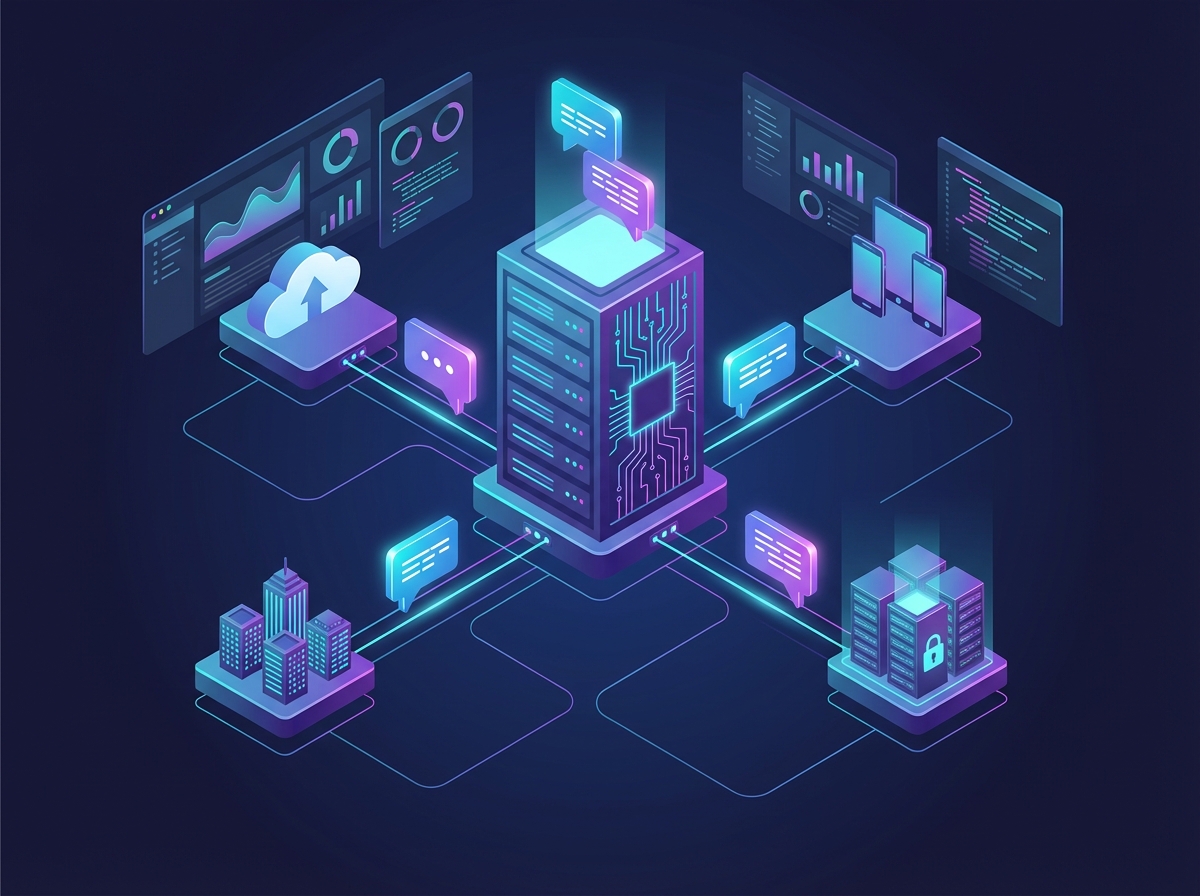
For growth-focused marketing agencies and SaaS platforms, scaling customer communication infrastructure presents a unique technical hurdle. Managing a single WhatsApp integration is straightforward. However, when you onboard dozens or hundreds of clients, the complexity multiplies exponentially. This is where robust multi-session WhatsApp management becomes the critical difference between a scalable agency operation and a chaotic, unreliable system.
When technical founders and lead software engineers build tools for automating marketing campaigns or customer support platforms, they must account for concurrency, session state, and deliverability across isolated environments. Failing to implement a proper multi-tenant architecture leads to dropped messages, disconnected sessions, and ultimately, churned agency clients.
In this comprehensive guide, we will explore the architectural principles of multi-session WhatsApp management. We will cover how to design reliable webhook routing, manage stateful connections, align technical execution with marketing outcomes, and build a trusted white-label infrastructure.
The Multi-Tenant Challenge in WhatsApp Automation
Most basic WhatsApp API implementations are designed for a single business. They authenticate one number, listen to one webhook, and process messages in a single linear queue. When an agency attempts to use this single-tenant approach for multiple clients, the system quickly degrades.
Scaling to a multi-client model introduces several immediate architectural challenges. First, session isolation is paramount. If Client A experiences a temporary network timeout or requires a QR code re-authentication, it must not impact the uptime or message processing of Client B. Second, rate limits must be managed per session rather than globally, ensuring that a high-volume broadcast from one client does not throttle the entire agency gateway.
Finally, observability becomes vastly more complex. When an automated cart recovery message fails, your infrastructure must instantly identify which specific client session encountered the error, log the payload, and trigger the appropriate retry logic without bottlenecking the shared queue.
Core Architecture of Multi-Session WhatsApp Management
To build a reliable customer communication infrastructure, developers must move beyond simple scripts and implement an enterprise-grade gateway. Here is a framework for structuring a scalable multi-session system.
1. Stateful Session Isolation and Instance Provisioning
Unlike stateless REST APIs, WhatsApp connections require maintaining persistent, stateful sessions. In a multi-session WhatsApp management environment, each client account must operate as an isolated instance. This means your backend should programmatically generate a unique instance ID for every new client onboarded.
By isolating instances, you ensure that authentication tokens, connection states, and encryption keys are sandboxed. If one session disconnects, your system can attempt to reconnect that specific instance independently. This localized fault tolerance is the foundation of uptime discipline and operational trust.
2. Distributed Message Queueing and Throttling
High-volume WhatsApp engagement requires sophisticated queueing mechanisms. When an agency schedules multiple marketing campaigns across different clients simultaneously, attempting to push all payloads directly to the API will result in rate-limit errors and dropped messages.
Developers should implement distributed message brokers (such as Redis, RabbitMQ, or Kafka) to manage outbound traffic. Each client session should have its own dedicated queue or topic. This allows your application to throttle message dispatch rates according to the specific limits of each WhatsApp number, ensuring smooth deliverability and preventing provider-level temporary bans.
3. Dynamic Webhook Multiplexing
In a multi-session architecture, your server will receive inbound messages, delivery receipts, and status updates for hundreds of different numbers concurrently. Managing this inbound firehose requires dynamic webhook multiplexing.
Instead of a monolithic endpoint that struggles to parse incoming data, configure your API gateway to route incoming webhooks based on the instance ID. When a payload arrives, the multiplexer inspects the instance identifier and asynchronously routes the data to the specific client's workspace, CRM, or automated reply logic. This ensures low latency and high reliability even during peak traffic spikes.
Aligning Infrastructure with Marketing Outcomes
It is crucial to understand that multi-session WhatsApp management is not just a backend engineering exercise; it directly dictates the success of your clients' marketing and retention strategies. Technical execution drives marketing outcomes.
Consider a high-volume customer retention strategy for a growing SaaS company. The campaign relies on sending timely usage alerts and renewal reminders via WhatsApp. If the underlying API infrastructure lacks redundancy and a session drops silently, those critical retention messages are never delivered. The marketing team sees a drop in conversion rates, but the root cause is an infrastructure failure.
By implementing robust observability, automated session-monitoring alerts, and reliable queueing, developers empower marketing teams to execute complex, multi-step automated workflows with confidence. High deliverability rates and low latency directly translate to better customer support experiences, higher cart recovery rates, and stronger brand trust.
Building White-Label Workflows for Agencies
For agencies providing WhatsApp services, the ability to white-label the experience is a massive competitive advantage. Clients should not need to understand the underlying API mechanics; they should simply scan a QR code within your custom dashboard and start messaging.
A proper multi-session architecture allows you to build these seamless onboarding flows. Using a reliable REST API, you can programmatically request a pairing QR code, display it in your agency frontend, and listen for the authenticated webhook event. Once connected, your software manages the session lifecycle in the background.
This level of abstraction requires a backend partner that provides comprehensive instance management endpoints. You need the ability to query session statuses, reboot stuck instances, and configure per-client webhooks entirely via API calls, without ever logging into a third-party dashboard.
Evaluating WhatsApp Infrastructure for Scale
When selecting a core provider to power your multi-session WhatsApp management, developers and agency leads must evaluate several critical decision criteria. Choosing a provider based solely on it being a cheap alternative often leads to catastrophic downtime during critical client campaigns.
- Uptime Discipline: The provider must demonstrate a clear commitment to high availability and infrastructure redundancy. Look for architectures that gracefully handle peak loads.
- Comprehensive Endpoint Coverage: The API must support programmatic instance creation, QR code retrieval, and session status monitoring.
- Webhook Reliability: Inbound message delivery must be consistent, with built-in retry mechanisms for failed webhook deliveries.
- Clear Documentation: A reliable provider offers precise, developer-first documentation that explains rate limits, payload structures, and error codes without ambiguity.
Implementing Multi-Session Architecture with WasenderApi
WasenderApi is engineered specifically to support the complex routing and state management required by technical founders and growth agencies. Rather than functioning as a basic message sender, WasenderApi provides the necessary infrastructure to scale multi-client operations seamlessly.
With WasenderApi, developers can dynamically spin up new WhatsApp instances for each agency client via simple REST calls. The platform handles the heavy lifting of maintaining persistent connections, managing device states, and routing asynchronous webhooks to your specified endpoints.
Because WasenderApi focuses on operational trust and reliability, developers can build their queueing and automation logic on top of a stable foundation. You can programmatically fetch QR codes for client onboarding, assign unique webhooks per instance, and monitor connection health in real-time. For comprehensive details on instance provisioning and webhook configuration, please refer to our official API documentation.
Best Practices for High-Volume WhatsApp Engagement
Once your multi-session architecture is stable, optimizing the application layer is the next step. Here are essential best practices for agencies managing high-volume WhatsApp communication infrastructure.
Implement Intelligent Retry Logic: Network instability is inevitable in mobile communications. Your application should not treat a single failed API request as a permanent failure. Implement exponential backoff algorithms for message retries, ensuring that temporary connection drops do not result in lost marketing campaigns.
Monitor Session Health Proactively: Do not wait for a client to complain that their chatbot is offline. Use the API to poll instance statuses at regular intervals or listen for disconnect webhooks. If a session drops, trigger an automated email or Slack alert to your agency operations team immediately.
Sanitize Inbound Data: When handling webhooks from hundreds of clients, your multiplexer must sanitize and validate incoming payloads before processing them. This prevents malformed data from one specific WhatsApp account from crashing your centralized routing service.
Separate Transactional and Promotional Queues: For clients sending both customer support replies and bulk marketing broadcasts, separate the message queues. Give transactional messages (like OTPs or support replies) higher priority over promotional blasts to ensure critical communications are never delayed by a marketing campaign.
Frequently Asked Questions
What is multi-session WhatsApp management?
Multi-session WhatsApp management refers to the architectural capability to run, monitor, and route messages for dozens or hundreds of independent WhatsApp accounts simultaneously from a single centralized application or API gateway, commonly used by marketing agencies and SaaS platforms.
Why can't I use a single WhatsApp instance for multiple agency clients?
Using a single instance for multiple clients mixes customer data, violates privacy standards, and creates a single point of failure. If the instance is rate-limited or disconnected, all clients lose service. Multi-session architecture isolates each client to prevent these issues.
How do I handle webhooks for multiple WhatsApp accounts?
You should configure your API provider to send webhooks that include a unique instance ID in the payload. Your server can then use a dynamic multiplexer to inspect this ID and route the incoming message to the correct client's database or automated workflow.
Does WasenderApi support programmatic client onboarding?
Yes, WasenderApi allows developers to create new instances, retrieve authentication QR codes, and configure webhooks entirely via REST API calls, enabling agencies to build completely white-labeled onboarding experiences for their users.
How does infrastructure reliability impact customer retention strategies?
Customer retention relies on timely, automated communication like cart recovery or renewal alerts. If the API infrastructure drops sessions or fails to process queues efficiently, these critical messages are delayed or lost, directly lowering conversion rates and marketing ROI.
Scaling an agency or SaaS platform requires more than just marketing expertise; it demands a resilient technical foundation. By mastering multi-session WhatsApp management, you protect your clients from downtime, ensure high deliverability for their campaigns, and build a scalable business model. Choose an infrastructure partner that prioritizes stability, observability, and developer experience to power your next phase of growth.
Related Posts
n8n + WaSenderAPI: Master WhatsApp Automation Without Code (2025 Guide)
Discover the most affordable WhatsApp automation solution only $6/month with WaSenderAPI combined with no-code n8n workflows. Build perfect, custom WhatsApp automations quickly and easily without coding. Follow our step-by-step guide to save costs while creating powerful, scalable, and secure WhatsApp messaging for your business.
Create a Free WhatsApp AI Chat Bot with Python and Gemini (Full Guide)
Learn how to create a free WhatsApp AI chatbot using Python, Google’s Gemini API, and WaSenderAPI. This step-by-step guide helps you build and deploy an intelligent WhatsApp assistant at minimal cost no need for WhatsApp Business API.

WhatsApp API Rate Limits Explained: How to Scale Messaging Safely in 2025
Struggling with WhatsApp messaging restrictions? Learn how Meta's tier system works, how to upgrade your daily limits, and how to scale your broadcasts safely without getting banned.