
Evolution API vs WhatsApp Cloud API: The Ultimate Infrastructure & Decision Guide
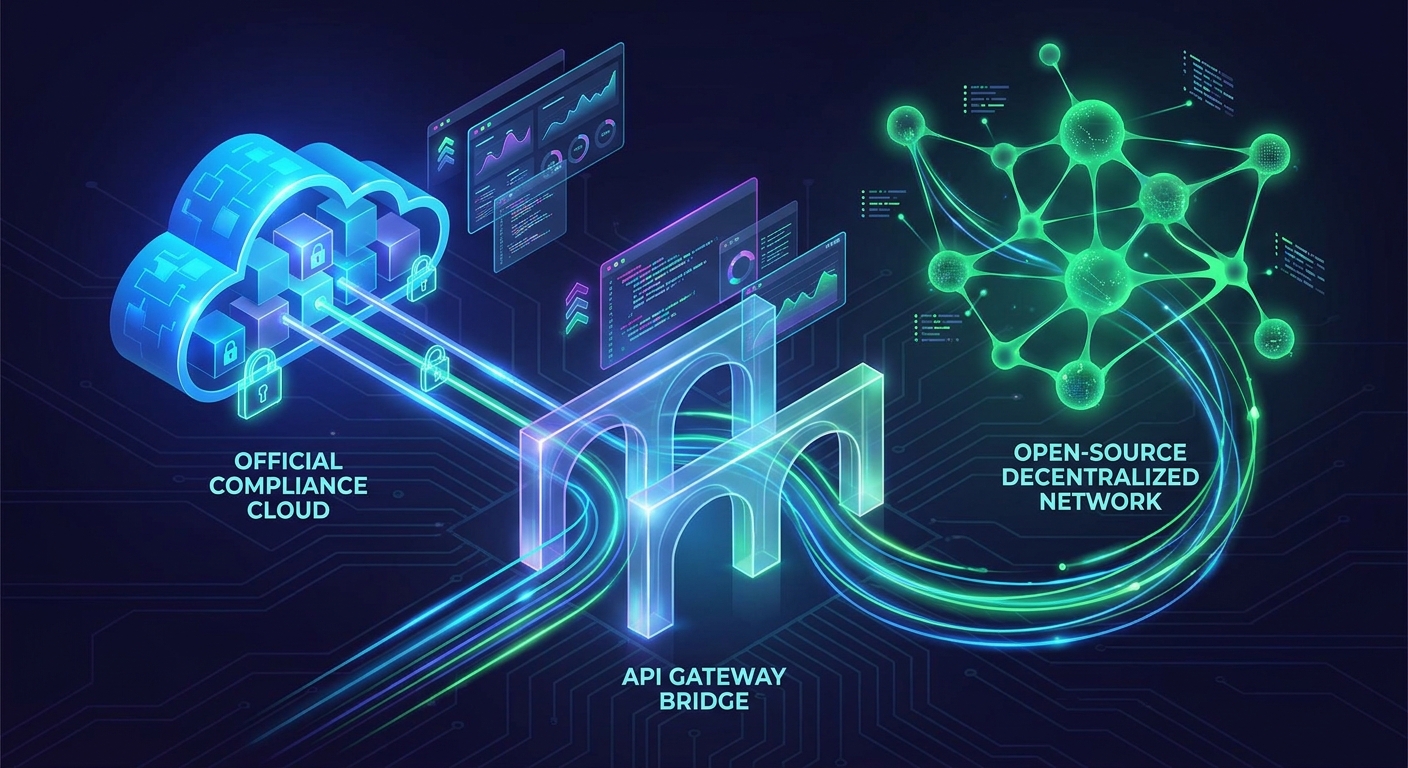
For technical founders, growth engineers, and agency owners, choosing the right messaging infrastructure is a critical architectural decision. The debate between Evolution API vs WhatsApp Cloud API ultimately comes down to a trade-off between messaging flexibility, infrastructure maintenance, and official compliance.
If you are building a multi-tenant SaaS, a high-volume marketing automation platform, or an internal customer support tool, the API you choose will dictate your server costs, your feature set, and your engineering overhead. While the official Cloud API offers Meta-backed reliability, it enforces strict messaging rules and costs. Conversely, self-hosted solutions like Evolution API offer total freedom but require significant DevOps expertise to keep sessions stable.
In this comprehensive guide, we will break down the architectural differences, evaluate the pros and cons of each approach, and provide a decision framework to help you choose the best WhatsApp infrastructure for your specific use case.
Evolution API vs WhatsApp Cloud API: Core Architectural Differences
To make an informed decision, it is essential to understand how these two systems connect to WhatsApp's network.
- WhatsApp Cloud API: This is Meta’s official, cloud-hosted Graph API. It connects directly to Meta's servers. Because it is official, it requires business verification, adheres to strict messaging windows, and charges per conversation based on the user's region and the message category (utility, marketing, authentication, or service).
- Evolution API: This is an open-source, unofficial WhatsApp API built on top of the Baileys library. It works by emulating WhatsApp Web via a headless WebSocket connection. Because it acts as a standard user device, it bypasses Meta's API pricing and template restrictions, but it requires you to host and manage the underlying server infrastructure (Node.js, Redis, PostgreSQL) yourself.
The WhatsApp Cloud API: Compliance at a Cost
The WhatsApp Cloud API is designed for enterprise compliance and guaranteed deliverability. However, its rigid structure makes it challenging for agile marketing campaigns and cold outreach.
The Advantages:
- Zero Infrastructure Maintenance: Meta hosts the API, meaning you do not need to manage servers, Redis queues, or WebSocket connections.
- High Throughput: The Cloud API can handle thousands of messages per second without the session disconnects common in unofficial APIs.
- No Ban Risk (Usually): As long as you adhere to Meta's commerce policies and maintain a good quality rating, your number will not be banned for technical reasons.
The Disadvantages:
- The 24-Hour Rule: You can only send free-form messages within 24 hours of a user's last message to you. Outside this window, you must use pre-approved templates.
- Template Approvals: Every marketing or utility message sent outside the 24-hour window must be reviewed and approved by Meta, stifling dynamic, AI-driven conversations.
- High Costs: Meta charges for every conversation initiated. For high-volume SaaS platforms or agencies running extensive campaigns, these costs can quickly erode profit margins.
Evolution API: Maximum Flexibility, High Maintenance
Evolution API has become a staple for developers who need to bypass Meta’s restrictions. It allows for unlimited messaging and dynamic content, but it shifts the burden of reliability entirely onto your engineering team.
The Advantages:
- No Messaging Restrictions: Send any message, at any time, without waiting for template approvals. This is ideal for AI chatbots and complex marketing sequences.
- Cost-Effective: You do not pay Meta per conversation. Your only costs are your server infrastructure and the phone numbers themselves.
- Multi-Device Support: It supports features that the official API lacks, such as viewing statuses, managing groups, and interacting with standard WhatsApp accounts natively.
The Disadvantages:
- Heavy Infrastructure Burden: To scale Evolution API for a multi-tenant SaaS, you must deploy and manage Redis for message queuing, PostgreSQL for session storage, and load balancers to distribute traffic.
- Session Instability: Because it relies on WhatsApp Web protocols, sessions can unexpectedly disconnect, requiring users to rescan QR codes and causing downtime.
- Ban Risks: Since it is unofficial, aggressive messaging or poor queue management can trigger WhatsApp’s anti-spam algorithms, resulting in number bans.
The Managed Gateway Alternative: Bridging the Gap
For many SaaS founders and agency owners, neither extreme is ideal. The Cloud API is too restrictive and expensive, while self-hosting Evolution API demands too much engineering time. This is where managed WhatsApp gateways like WasenderApi provide a strategic middle ground.
A managed gateway offers the flexibility of an unofficial API—meaning no 24-hour limits and no template approvals—without the DevOps nightmare of self-hosting. By utilizing intelligent message queuing, automated session recovery, and reliable webhook routing, a managed service abstracts the complexity of infrastructure maintenance.
With a managed solution, your team can focus on building core product features rather than debugging Redis memory leaks or troubleshooting disconnected WebSockets. For implementation specifics on how to integrate a reliable managed gateway into your architecture, refer to our API documentation.
Decision Framework: Which API Should You Choose?
To simplify your architectural decision, use the following framework based on your specific business requirements:
- Choose WhatsApp Cloud API if: You are building an enterprise application for Fortune 500 clients, you have a massive budget for per-conversation fees, your messaging consists primarily of transactional alerts (like OTPs or shipping updates), and you cannot risk any compliance issues.
- Choose Self-Hosted Evolution API if: You have a dedicated DevOps team, you are building a highly customized internal tool, you need to manage WhatsApp groups programmatically, and you have the resources to constantly monitor server uptime and session stability.
- Choose a Managed Gateway (like WasenderApi) if: You are a high-growth SaaS, CRM, or marketing agency that needs the flexibility to send unrestricted messages at scale, but you want to eliminate server maintenance, reduce downtime, and focus your engineering efforts on your core product rather than API infrastructure.
Conclusion
The choice between Evolution API vs WhatsApp Cloud API is not just a technical decision; it is a strategic one that impacts your product's capabilities and your company's bottom line. The WhatsApp Cloud API offers peace of mind at a premium price and with strict limitations. Evolution API offers boundless flexibility but demands rigorous infrastructure management.
By understanding your platform's specific needs—whether it is strict compliance, absolute flexibility, or a reliable managed middle-ground—you can architect a WhatsApp messaging system that scales reliably with your user base.
Frequently Asked Questions (FAQ)
What is the main difference between Evolution API and WhatsApp Cloud API?
The main difference is that WhatsApp Cloud API is Meta's official, paid API that requires message templates and enforces a 24-hour messaging window. Evolution API is an unofficial, open-source solution that emulates WhatsApp Web, allowing for unrestricted messaging but requiring you to host and manage the server infrastructure yourself.
Is Evolution API safe to use for high-volume marketing?
Evolution API can be used for high-volume messaging, but it carries a higher risk of number bans if not managed correctly. Safe usage requires intelligent message queuing, rate limiting, and proper number warm-up strategies to avoid triggering WhatsApp's anti-spam filters.
Why do SaaS companies migrate from self-hosted APIs to managed gateways?
SaaS companies often migrate to managed gateways to eliminate the DevOps overhead of maintaining server infrastructure, fixing disconnected sessions, and managing database queues. Managed gateways provide the flexibility of unofficial APIs with the reliability of enterprise infrastructure.
Related Posts

WhatsApp API Rate Limits Explained: How to Scale Messaging Safely in 2025
Struggling with WhatsApp messaging restrictions? Learn how Meta's tier system works, how to upgrade your daily limits, and how to scale your broadcasts safely without getting banned.

Wasender API: The Easiest Way to Automate WhatsApp Messaging for Your Business
Wasender API is a simple, low-cost solution for automating WhatsApp messages without approval delays or high fees. Perfect for businesses and developers who want to send bulk messages, automate chats, and scale communication using a reliable and flexible WhatsApp API.

Twilio Cheap Alternative | Low-Cost WhatsApp API Options in 2025
Looking for a Twilio cheap alternative? Discover budget-friendly messaging APIs like WasenderAPI for WhatsApp and other tools that offer powerful features at a fraction of the cost. Ideal for startups and developers in 2025.