
Evolution API in Production: Architecture Guide for Scaling Multi-Tenant SaaS
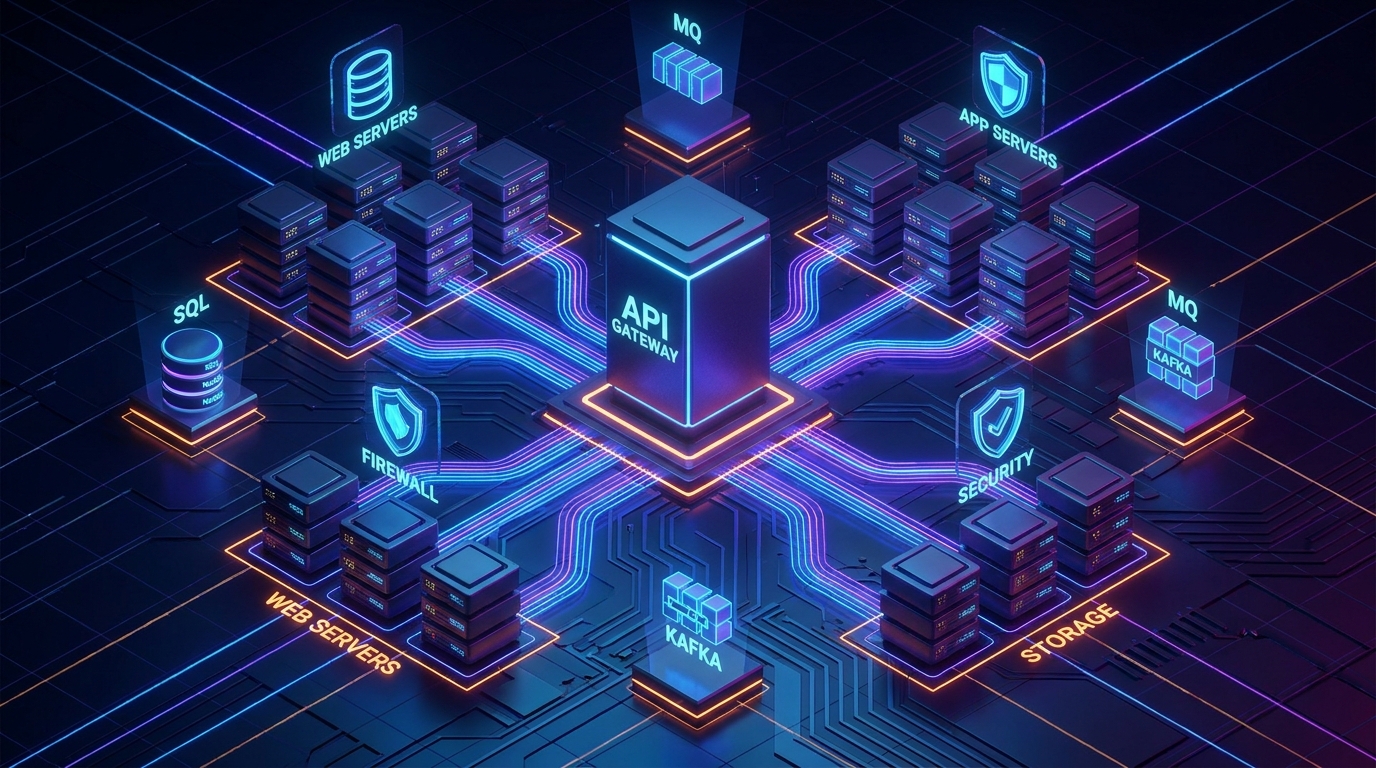
Building a robust customer communication infrastructure is a critical mandate for modern SaaS platforms and marketing agencies. For many development teams, the journey begins with open-source solutions. The Evolution API has emerged as a popular choice for developers looking to build unofficial WhatsApp integrations. By wrapping the Baileys library in a RESTful interface, it allows teams to automate messaging, manage groups, and trigger workflows without navigating the rigid approval processes of the official Meta API.
However, running Evolution API in a local testing environment is vastly different from deploying it in a production-grade, multi-tenant architecture. When agencies and SaaS platforms attempt to scale to hundreds of client sessions, they often hit severe infrastructure bottlenecks. Managing WebSockets, preventing memory leaks, ensuring reliable webhook delivery, and handling database state require dedicated DevOps resources.
In this comprehensive architecture guide, we will explore the technical realities of running Evolution API in production. We will break down the infrastructure required to scale multi-tenant WhatsApp operations, examine the hidden costs of self-hosting, and provide a decision framework for when it makes strategic sense to migrate to a managed enterprise gateway like WasenderApi.
The Baseline Architecture of Evolution API
To understand how to scale this system, you must first understand its underlying architecture. Evolution API is essentially a Node.js application that acts as a middleware bridge between your SaaS platform and WhatsApp's web servers. It utilizes the Baileys library, which reverse-engineers the WhatsApp Web WebSocket protocol.
In a standard production deployment, the architecture typically consists of several core components. First, the Node.js application handles the API requests and maintains the active WebSocket connections to WhatsApp. Second, a caching layer, usually Redis, is employed to manage rate limiting, temporary state, and message queues. Finally, a persistent database—such as PostgreSQL or MongoDB—is required to store session data, authentication keys, and historical chat records.
Because WhatsApp Web was originally designed as a single-user interface, maintaining these connections programmatically requires constant polling, heartbeat management, and state synchronization. Every time a message is sent or received, the API must decrypt the payload locally, update the session state, and trigger a webhook to your application. While this architecture works seamlessly for a handful of numbers, it becomes exponentially more complex when you introduce multi-tenancy.
3 Major Infrastructure Challenges When Scaling Multi-Tenant SaaS
When growth engineers attempt to scale Evolution API to support dozens or hundreds of client accounts, the system's monolithic tendencies begin to show. Below are the three primary infrastructure challenges teams face when scaling self-hosted WhatsApp automation.
1. Session Management and RAM Spikes
The most immediate bottleneck in a multi-tenant WhatsApp architecture is memory consumption. Each active WhatsApp session maintained by the Baileys library requires its own WebSocket connection, encryption keys, and local state cache. In a Node.js environment, running 50 to 100 concurrent sessions within a single container can lead to massive RAM bloat.
Furthermore, WhatsApp periodically forces session reconnects. If a network blip occurs or WhatsApp updates its web protocol, dozens of sessions may drop simultaneously. When the API attempts to reconnect all these sessions at once, the CPU spikes dramatically. This "thundering herd" problem frequently causes containers to crash, leading to downtime for all clients on that server instance. To mitigate this, DevOps teams must implement complex Kubernetes pod scaling and session sharding, which significantly increases infrastructure overhead.
2. Webhook Queueing and Delivery Guarantees
In a high-volume messaging environment, your API is not just sending messages; it is receiving thousands of incoming webhooks for read receipts, incoming chats, and status updates. By default, if your core SaaS application experiences a brief outage or latency spike, synchronous webhooks sent by the WhatsApp API will time out and be lost.
To achieve high availability, engineers must decouple the webhook delivery from the main API process. This requires deploying an event-driven architecture using message brokers like RabbitMQ, Apache Kafka, or AWS SQS. Instead of sending webhooks directly to your SaaS, the API pushes events to a queue, which then asynchronously delivers them to your application with automatic retry mechanisms. Building and maintaining this queueing infrastructure adds significant complexity to the self-hosted model.
3. Database State and Storage I/O
WhatsApp sessions require constant read/write operations to maintain synchronization with the mobile device. Every message sent, received, or read updates the session state in the database. If you are using a centralized PostgreSQL or MongoDB instance to store the state for hundreds of active sessions, you will quickly encounter storage I/O bottlenecks.
Database locks and slow query times can cause the Baileys library to desync, resulting in dropped messages or forced logouts (requiring the user to scan the QR code again). Optimizing database performance for real-time WebSocket state management is a specialized skill that distracts engineering teams from building core product features.
The Migration Decision Framework: When to Upgrade
Given the complexities of session management, webhook queueing, and database optimization, technical founders must eventually evaluate the total cost of ownership (TCO) of self-hosting Evolution API. While the software is free, the infrastructure and human capital required to keep it stable are not.
Consider migrating to a managed WhatsApp gateway if your team is experiencing the following triggers: First, your engineers are spending more than 10 hours a week debugging socket disconnects, memory leaks, or missed webhooks. Second, your infrastructure costs (AWS EC2, Redis clusters, managed databases) are scaling faster than your messaging volume. Third, client retention is being negatively impacted by unreliable message delivery or constant QR code rescanning.
When these thresholds are crossed, the strategic move is to abstract the infrastructure layer entirely. By decoupling your core application logic from the underlying WhatsApp WebSocket management, your team can refocus on building features that drive revenue.
Architecting a Reliable Gateway with WasenderApi
For SaaS platforms and marketing agencies looking to eliminate infrastructure overhead, migrating to a managed REST API is the logical evolution. WasenderApi is designed specifically to solve the multi-tenant scaling challenges that plague self-hosted deployments.
Instead of provisioning servers, configuring Redis, and managing Kubernetes clusters, developers can interact with a highly available, stateless REST API. WasenderApi handles the underlying Baileys socket connections, auto-reconnect logic, and state management natively. This enterprise-grade architecture ensures that CPU spikes and memory bloat are managed invisibly, providing stable sessions even under heavy concurrent load.
Furthermore, WasenderApi includes built-in message queueing and robust webhook delivery systems. If your endpoint goes down, the platform handles the retries automatically, ensuring zero data loss. This decoupled architecture allows growth engineers to scale their marketing automation engines without worrying about the underlying infrastructure breaking down. For specific implementation details on how to route these webhooks and manage multi-tenant sessions, please refer to the official API documentation.
Conclusion: Future-Proofing Your Communication Infrastructure
While the Evolution API provides an excellent starting point for developers exploring WhatsApp automation, scaling it for multi-tenant SaaS production requires a deep commitment to infrastructure management. The hidden costs of managing WebSockets, mitigating RAM spikes, and building resilient webhook queues often outweigh the benefits of self-hosting.
By understanding the architectural limitations of local deployments and knowing when to pivot to a managed solution like WasenderApi, technical leaders can build highly scalable, fault-tolerant customer communication platforms. Ultimately, the goal of any engineering team should be to write business logic that drives growth, not to spend nights and weekends babysitting server infrastructure.
Frequently Asked Questions (FAQ)
What are the main infrastructure bottlenecks of self-hosting Evolution API?
The primary bottlenecks include high RAM consumption per active WebSocket session, CPU spikes during mass reconnections, and the need for complex middleware to ensure reliable webhook delivery under heavy load.
Why do WhatsApp sessions disconnect when scaling multi-tenant applications?
Sessions often disconnect due to network instability, server CPU throttling during concurrent operations, or database I/O bottlenecks that cause the local state to desync from the WhatsApp web servers.
How does WasenderApi differ from self-hosted open-source APIs?
WasenderApi is a fully managed cloud gateway. It abstracts away server maintenance, Redis configuration, and session state management, providing a reliable REST interface with built-in message queueing and webhook retries.
Do I need to build a custom queue for webhooks?
If you are self-hosting, yes, you will likely need to implement Kafka or RabbitMQ to prevent webhook loss. If you use a managed platform like WasenderApi, intelligent webhook queueing and retry logic are built directly into the architecture.
Related Posts
n8n + WaSenderAPI: Master WhatsApp Automation Without Code (2025 Guide)
Discover the most affordable WhatsApp automation solution only $6/month with WaSenderAPI combined with no-code n8n workflows. Build perfect, custom WhatsApp automations quickly and easily without coding. Follow our step-by-step guide to save costs while creating powerful, scalable, and secure WhatsApp messaging for your business.
Create a Free WhatsApp AI Chat Bot with Python and Gemini (Full Guide)
Learn how to create a free WhatsApp AI chatbot using Python, Google’s Gemini API, and WaSenderAPI. This step-by-step guide helps you build and deploy an intelligent WhatsApp assistant at minimal cost no need for WhatsApp Business API.
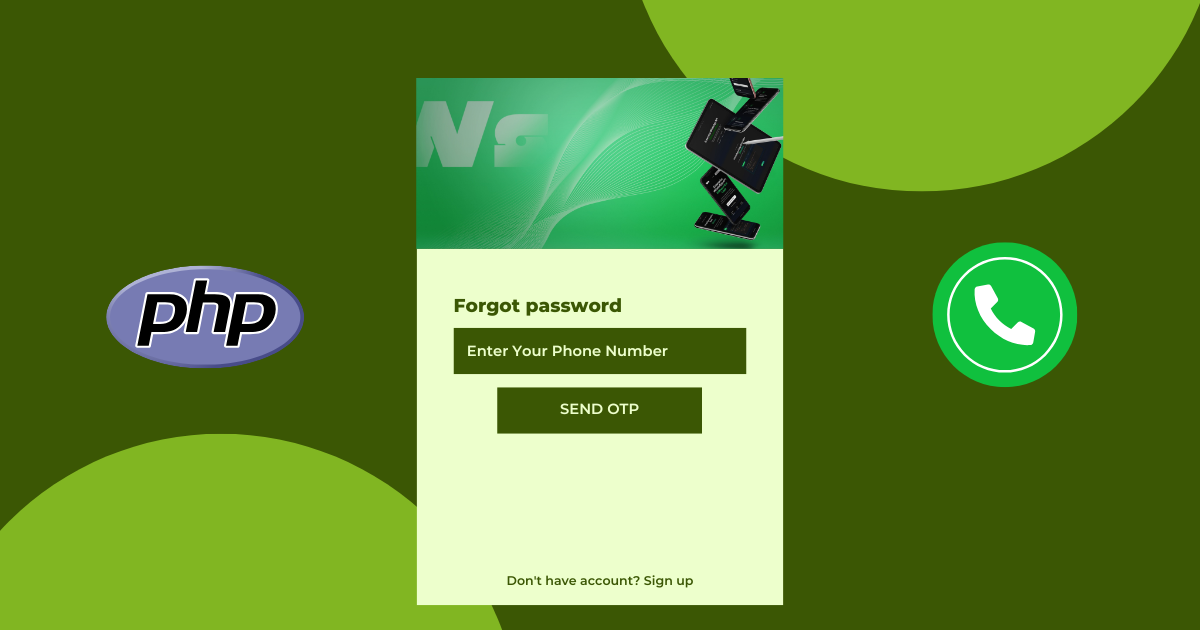
How to Send OTP for Password Recovery Using PHP And Whatsapp API
Learn how to send OTPs for password recovery using PHP and Whatsapp API. This guide covers the step-by-step process of integrating WhatsApp OTPs, providing a secure and efficient solution for user authentication. Discover how to generate and send OTPs, validate them, and enhance security using the reliable WASenderAPI for seamless password recovery